
Replacing Your Exterior Doors: What Maine Homeowners Should Know
Signs It's Time for a New Front or Back Door — And Why It Matters More Than You Think in a Maine Winter
We talk a lot about windows, but your exterior doors work just as hard — and take just as much of a beating from Maine weather. A front door gets sun, salt air, driving rain, and sub-zero cold, all while being opened and closed dozens of times a day. Eventually, even a well-built door starts to lose the fight.
Unlike a cracked window pane, a failing door doesn't always announce itself. It's easy to get used to a door that sticks a little, or a draft near the threshold that you've learned to just walk past. But those small annoyances usually point to bigger problems — and they're worth paying attention to before winter tests your home's weak points.
Signs Your Exterior Door Needs Replacing
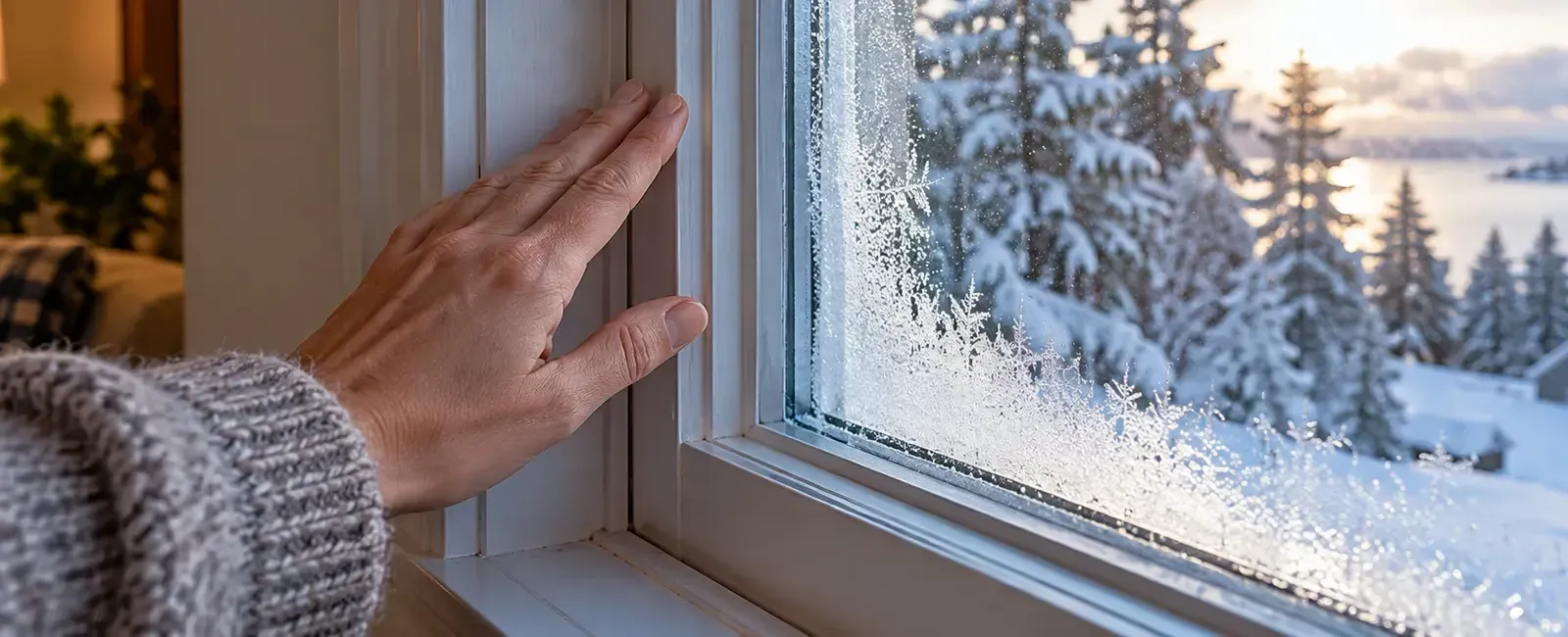
You can feel a draft, even with the door shut. Run your hand around the frame and threshold on a cold or windy day. If you feel air movement, the door's seal has likely failed — whether from a warped frame, worn weatherstripping, or a door that's no longer hanging square.
Daylight is visible around the edges. Close the door during the day and look for light coming through gaps at the top, sides, or bottom. This is one of the clearest signs that a door is no longer sealing properly.
It's difficult to open, close, or lock. Doors swell and shift with humidity and temperature changes. Occasional sticking in July is normal. A door that consistently sticks, doesn't latch cleanly, or requires you to lift or shove it to close is showing structural wear — often in the frame, not just the door itself.
You can see or feel soft spots, rot, or warping. This is especially common on wood doors and door bottoms that take on moisture. Once a door starts to rot, it's a matter of time before the problem spreads to the frame and surrounding wall.
Your energy bills feel high relative to your home's size. Doors have a smaller surface area than windows, but a poorly sealed exterior door—especially a frequently used one—can be a meaningful, constant source of heat loss all winter long.
The door doesn't feel secure. Older doors, especially those with worn frames, damaged strike plates, or thin, dated hardware, are more vulnerable to forced entry than a properly installed modern door with a reinforced frame and quality deadbolt.
Choosing a Replacement Door: Fiberglass, Steel, or Wood
We install ThermaTru doors, among other options, and the right material depends on how you'll use the door and what look you're going for.
- Fiberglass doors are a strong all-around choice for Maine homes. They resist warping, denting, and rot far better than wood, hold paint and stain well, and can closely mimic a wood-grain look if that's the style you want. They also tend to insulate better than steel.
- Steel doors are typically the most budget-friendly option and offer strong security, but they can dent and show wear over time, especially in coastal areas where salt air accelerates corrosion at scratches or chips.
- Wood doors offer a classic look that fits historic and traditional homes well, particularly in older coastal towns, but they require more maintenance — periodic refinishing and vigilance against moisture — to hold up to Maine's freeze-thaw winters and humid summers.
For most homeowners replacing a primary entry door, fiberglass hits the best balance of durability, energy performance, and appearance — but a wood door on a well-protected entry (like one under a covered porch) can last for decades with reasonable upkeep.
Energy Efficiency and Comfort
A modern replacement door isn't just a slab of material in a frame — it's a system. Insulated cores, quality weatherstripping, and a properly installed sill and threshold all work together to keep conditioned air where it belongs. When we talk about "energy-efficient doors," we're really talking about all of these components working correctly, not just the door material alone. That's also why installation quality matters as much as the product itself: even a high-end door will underperform if it isn't installed square and properly sealed to the frame.
Storm Doors: A Natural Pairing
If you're already replacing an entry door, consider adding a storm door at the same time, like storm windows pair with primary windows. A storm door adds an extra layer of protection against wind and precipitation, helps trap an insulating layer of air, and can extend the life of your primary door by shielding it from direct weather exposure.
What to Expect From the Process
Exterior door replacement is typically a more contained project than a full window replacement — most single-door installations can be completed in a day. We'll assess whether your existing frame is in good enough condition to work with or whether you need a full frame replacement (depending on the extent of any rot or structural damage), then walk you through material, hardware, and glass options before installation.
Curb Appeal and Resale Value
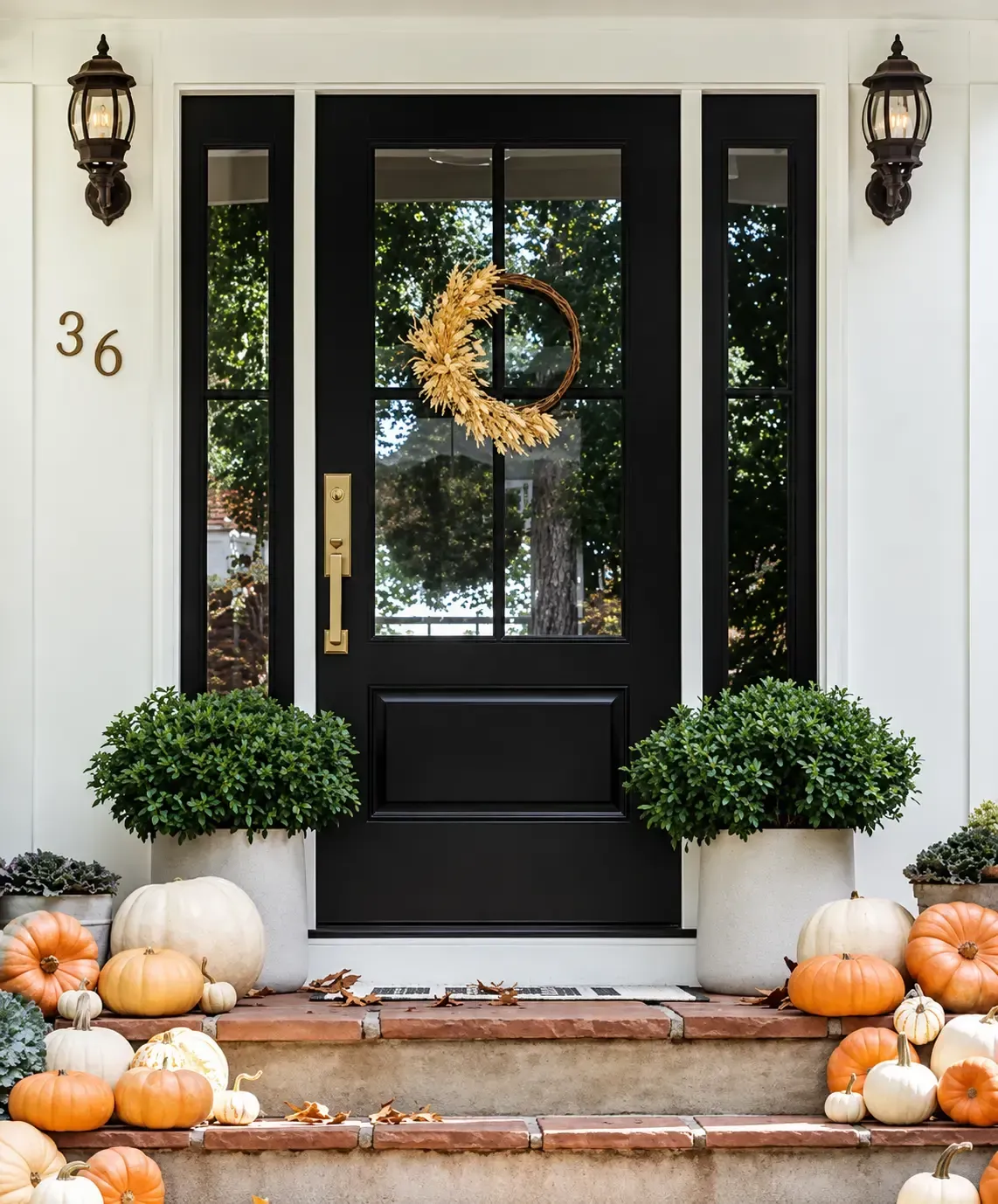
Beyond comfort and security, your front door is one of the first things anyone notices about your home — buyers, guests, and appraisers included. A dated, weathered door can make an otherwise well-maintained home look tired from the curb, while a quality replacement is consistently one of the higher-return home improvements when it comes to resale value.
Frequently Asked Questions.
How do I know if my exterior door needs to be replaced? Common signs include feeling a draft around a closed door, seeing daylight around the edges, difficulty opening, closing, or locking it, visible rot or warping, and higher-than-expected heating bills. If you notice more than one of these, it's worth having the door assessed.
What's the difference between a fiberglass, steel, and wood exterior door? Fiberglass resists warping and rot while offering strong insulation and a wood-look finish option. Steel is generally the most affordable and very secure but can dent and is prone to corrosion over time in coastal air. Wood offers classic curb appeal but needs more regular maintenance to withstand Maine's weather.
Will a new front door actually lower my energy bills? A properly installed, energy-efficient door with a quality insulated core and correctly sealed frame reduces heat loss compared to an old, drafty door. Exact savings depend on your current door's condition and how often you use it, but it's a real, ongoing benefit.
How long does exterior door installation take? Most single-door replacements can be completed in about a day, assuming the existing frame is in workable condition. Projects that require a full frame replacement due to rot or structural issues may take longer.
Can you replace just the door slab, or does the whole frame need to be replaced? It depends on the condition of your existing frame. If the frame is square, solid, and free of rot, we can often replace just the door slab and hardware. If the frame is damaged, a full frame replacement is usually the better long-term choice.
Does a new front door add value when selling a home? Yes — an entry door replacement is consistently one of the better-returning home improvement projects, both for resale value and for how the home is perceived from the curb.